Page Layout

Grids: an invisible foundation »

BY CHUCK GREEN What do houses and well designed pages have in common? They are both built on a framework—a carefully measured, solid structure that forms a foundation on which to build. A grid is a combination of non-printing margins, columns, and guides used as the underlying framework of a page. Though any type of document can incorporate a grid, it is long, detailed documents such as magazines, newsletters, newspapers, and books that virtually require them.

Grids: an invisible foundation

Continue reading "Grids: an invisible foundation" »

Page Layout

The readable page »

BY CHUCK GREEN The truth is there is no secret design formula known only to professional designers. Readability is accomplished through a series of small, often subtle changes that anyone—designer or non-designer—can implement.

The readable page

Continue reading "The readable page" »

Page Layout

Lines and edges »

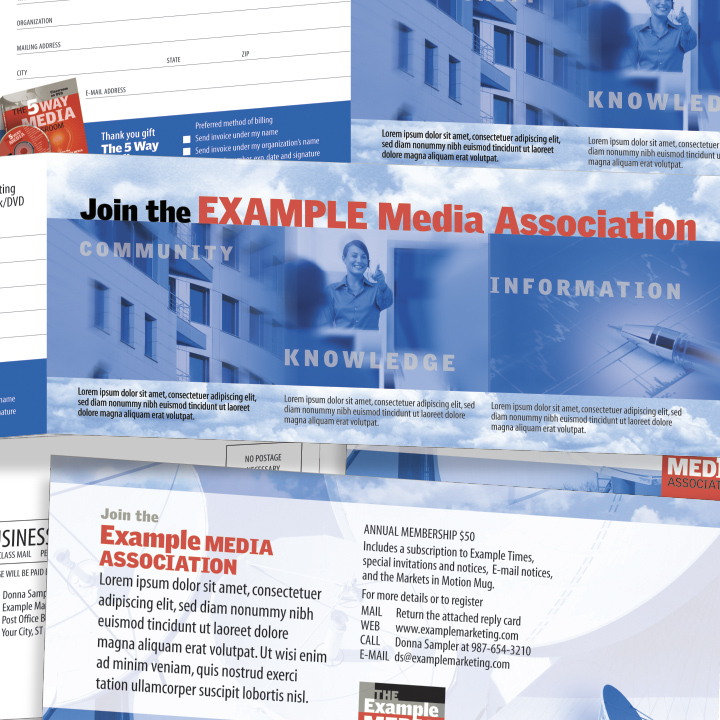
BY CHUCK GREEN Stuck for a new look? Try breaking some rules. Instead of surrounding every block of text with a gutter that is equidistant from all edges, try aligning the baseline of the text to the edge of the background (figure 1).

Lines and edges

Continue reading "Lines and edges" »

Page Layout

Horizontal emphasis »

BY CHUCK GREEN Often, the first solution that comes to mind when designing a newsletter (figure 1) or brochure is to align images in a random pattern (based on a grid). One interesting alternative is to group images together (in this case horizontally) (figure 2) and to allow that emphasis to carry the layout (figure 3).

Horizontal emphasis

Continue reading "Horizontal emphasis" »